Buy Bulk Ammo Online Without the Hassle: Cheap, Fast, and Ready to Ship
Most shooters don’t realize that buying bulk ammo online can cut per-round costs by up to 40% compared to local box stores, which makes consistent practice far more affordable. You simply browse a retailer’s inventory, choose your caliber and quantity—often 500 to 5,000 rounds—and checkout with delivery straight to your door, saving you time and trips. This approach lets you stock a steady supply for range days or preparedness, so you never face an empty shelf when you need to train. Bulk ammo online turns a frustrating, expensive necessity into a simple, budget-friendly routine you can manage from your couch.
Why Buying Ammunition in Large Quantities Saves You Money Over Time
Buying bulk ammo online reduces the per-round cost primarily through volume pricing and lower shipping overhead, as sellers discount larger orders and spread delivery fees across more units. This direct savings compounds with each purchase, especially for frequent shooters who would otherwise pay retail premiums per box. Additionally, bulk purchases lock in current prices, insulating you from gradual cost creep that affects smaller, more frequent transactions. Consolidating orders also minimizes the number of separate shipping charges, which often negate the savings of buying just one or two boxes at a time. Storage efficiency further amplifies the benefit, since buying once for several range sessions saves time and fuel, both of which carry a monetary value. However, the real financial edge emerges only if you consistently train enough to justify the upfront capital outlay. Ultimately, the per-round price drop and reduced transaction costs make bulk buying a straightforward path to lower long-term ammunition expenses.
How Per-Round Costs Drop When You Order in Volume
The per-round price curve declines sharply as order size increases, primarily because fixed costs—like packaging, payment processing, and per-order handling—get spread across more cartridges. When you buy a 1,000-round case instead of a 100-round box, 7.62×39 Ammo for Sale the retailer’s logistics overhead per unit shrinks, and they pass that saving to you. Volume pricing tiers often trigger at 500, 1,000, and 5,000 rounds, with each tier unlocking a lower base cost. However, shipping weight is the hidden variable—a heavier order may add freight, so compare delivered cost per round, not just shelf price. Q: How do per-round costs drop when you order in volume? A: Fixed fees divide across more rounds, and manufacturers offer wholesale breaks for case-lot purchases, pushing marginal cost down by 10–20% versus small boxes.
Comparing Single-Box Prices vs. Case-Lot Pricing

When you’re shopping for bulk ammo online, the math gets pretty obvious once you line up single boxes against case-lot pricing. A single 20-round box might run you $1.10 per round, while a 200-round case often drops to $0.85 per round—that’s real savings per box, not just a small discount. Here’s how the comparison usually shakes out:
- Check the per-round price on a 50-round box, then multiply that by the number of boxes you’d need for a case.
- Look at the case price online—most retailers show a clear per-unit cost under the total.
- Figure the difference: the specialty sports & supply gap between single-box and case-lot pricing is your immediate saving, often 15–25%.
The key is 7.62x54R Ammo for Sale that case-lot pricing locks in a lower rate per cartridge because you’re skipping the packaging, handling, and restocking fees baked into individual boxes. You’re not paying for extra cardboard or shelf space—just the ammo itself. Over a year of range time, that difference adds up to more rounds for the same budget.
What to Know About Shipping Fees on Heavy Orders
Shipping fees on heavy orders often negate bulk ammo savings if ignored, so calculate cost per pound before checkout. Ammo’s density means steep carrier surcharges, but many retailers use tiered flat-rate boxes, making a 500-round case cheaper per unit than two 250-round boxes. Look for thresholds—free shipping usually kicks in at $150–$200, yet overweight packages may still incur a handling fee. Compare total landed cost, not sticker price, since some sites discount ammo but inflate freight. Splitting a massive order into separate shipments rarely helps, as you’ll pay duplicate base rates. Always verify whether quotes include residential delivery 5.7x28mm Ammo for Sale fees, which add $10–$20, and remember that flat-rate shipping caps are your best defense against weight-based surprises.
What to Check Before Adding a Bulk Order to Your Cart
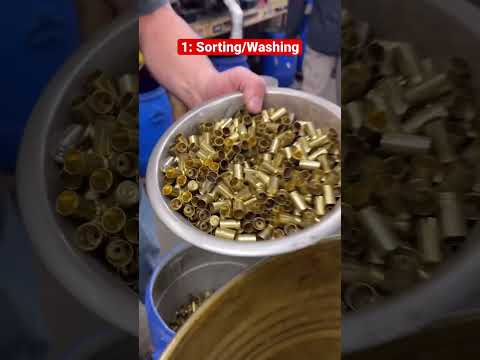
Before you hit that cart button for bulk ammo online, check the round count against the price per box—not just the total. A “bulk” deal often hides a per-round cost that’s worse than buying individual boxes. Confirm the exact caliber and grain weight match your firearm’s specs, because a misfed round from a mismatched lot is a range-day killer. Also, verify the packaging: some bulk shipments arrive as loose rounds in a bag, which can jam in magazine-fed pistols. That dusty crate may look like a bargain, but if the primer seal is cracked, you’re paying for misfires. Finally, scan the shipping weight—heavy boxes mean you’re paying freight on brass, not just lead. Count the actual cartridges, and read the product description for lot numbers so you don’t end up with mixed headstamps in one order.
Matching the Right Caliber and Grain Weight to Your Firearm
Before you commit to a bulk ammo purchase, verify the **exact caliber stamped on your firearm’s barrel**—a .223 Remington and 5.56 NATO may share dimensions, but pressure differences can be risky. Then, match grain weight to your gun’s twist rate (e.g., 1:7 for heavier 62–77 grain, 1:12 for lighter 55 grain). A wrong grain can cause keyholing or poor accuracy, wasting hundreds of rounds. Check your owner’s manual for recommended bullet weights and stick to that range for reliable cycling and consistent point-of-impact. Bulk savings mean nothing if the round doesn’t stabilize from your specific barrel.
Brass vs. Steel Casing: Which Makes More Sense for Practice
For practice ammunition, brass casing reloadability gives it a clear edge if you plan to save components, but steel’s cheaper upfront cost per round makes it ideal for pure, high-volume drills where you won’t chase spent cases. Steel’s lacquered or polymer coating resists corrosion, yet its harder steel can accelerate extractor wear in some firearms. Brass expands and seals better in the chamber, reducing gas blowback and feeding issues, while steel’s stiffness can cause occasional extraction failures in tight tolerances. For bulk online orders, check if steel’s price drop justifies buying a calendar’s worth of practice—if you reload, brass wins; if you shoot-and-dump, steel wins.
Brass suits reloaders and smoother cycling; steel suits budget shooters who accept faster wear and no case reuse.
New Production vs. Remanufactured Rounds — What’s the Difference
When buying bulk ammo online, the core distinction is new production versus remanufactured rounds. New production uses virgin brass, fresh primers, and newly drawn projectiles, offering maximum consistency in headspace and pressure—critical for precision rifles or defensive loads. Remanufactured ammunition, by contrast, is assembled from once-fired brass that has been inspected, resized, and reloaded with new components. While cheaper per round, this process introduces variable case wall thickness and primer pocket tension. For high-volume plinking or training, remanufactured rounds are cost-effective; for semi-autos prone to extraction issues, case neck tension can vary, increasing failure rates. Always verify the manufacturer’s sorting standard—military crimped primer pockets may require swaging, affecting reliability.
How to Gauge a Seller’s Reputation When Buying Large Quantities Online
When you’re dropping serious cash on bulk ammo online, a slick website isn’t enough—you need to dig into the seller’s history. First, head to third-party review sites like Trustpilot or the .17 HMR Ammo for Sale Better Business Bureau, but filter for recent complaints about shipping delays or damaged packaging, not just overall scores. Next, check gun-specific forums like AR15.com or Reddit’s r/gundeals; search the seller’s name to see if longtime users call out bait-and-switch tactics or praise their speedy fulfillment. Crucially, verify their physical address and phone number, then call them—a live human answering questions about lot numbers or case condition is a huge green light. Finally, test with a small order before committing to a massive purchase, and pay with a credit card for chargeback protection. These steps ensure you’re not gambling your budget on a ghost.
Reading Customer Reviews for Packaging and Delivery Experience
When buying bulk ammo online, prioritize reviews that specifically describe how orders arrive, not just how they shoot. Look for repeated mentions of secure, discreet packaging that prevents primer damage and box crushing during transit. Note whether buyers report intact factory seals, proper palletization, and no signs of moisture exposure. A reliable seller’s feedback will consistently highlight predictable delivery windows—both for curbside drop-offs and freight shipments—whereas scattered complaints about dented cases, late arrivals, or loose components in the box are red flags. Filter for recent reviews addressing bulk order handling, since single-box purchases rarely reveal how a 5.56 Ammo for Sale vendor manages heavy, high-volume shipments. If one reviewer mentions delayed tracking updates but others confirm the ammo arrived safely, weigh the pattern carefully before committing to a pallet-sized purchase.
Verifying Transparent Return and Defect-Round Policies
When vetting bulk ammo sellers, verifying transparent return and defect-round policies starts by locating their written terms before checkout—not after a misfire. Confirm they accept opened boxes for factory-sourced defects, not just unopened cases, and request the specific remediation method: replacement, credit, or refund. Check if they cover return shipping on defective lots; if they require you to absorb freight, that shifts risk 7.62×51 Ammo for Sale onto you. A policy that demands photo evidence per round, rather than batch sampling, may be designed to deny claims rather than resolve them. Sequence your verification: first, read the policy page; second, email a hypothetical defect scenario to test response speed; third, cross-check third-party review sites for policy enforcement complaints—not just pricing praise.
Signs of a Reliable Checkout and Payment Process

A reliable checkout for bulk ammo online begins with a clear, itemized cost breakdown—showing per-round price, hazmat fees, and shipping—before any payment screen. Look for a **transaction security verification** badge, such as SSL encryption or 3-D Secure, active during the payment step. The process should require explicit confirmation of age and delivery address, with a final order review before submission. Payment options should include credit cards and reputable digital wallets, not only wire transfers or crypto. Post-payment, you must receive an immediate, auto-generated order number and a detailed receipt sent to your email. If the site redirects you to a generic payment portal or requests payment outside the domain, that signals risk. .17 WSM Ammo for Sale A smooth, transparent, and auditable payment flow indicates the seller handles transactions professionally.
Planning Your First Big Purchase Without Overspending
Planning your first big purchase without overspending on bulk ammo online starts with a strict per-round budget before you even open a retailer’s site. Calculate your realistic monthly shooting habit, then multiply by six months—that’s your target quantity, not the biggest deal you can find. Look for **free shipping thresholds** and stick to one caliber to avoid impulse adding “just in case” boxes. Compare final cost per round after tax and delivery, not the sticker price. Buy only what you can store safely and rotate, because **bulk ammo online** loses value if it sits in a damp garage. Set a firm total dollar cap, then pause 24 hours before checkout to confirm the math still makes sense for your wallet.
Calculating Your Monthly Range Time to Set the Right Order Size
To avoid overspending on bulk ammo online, start by tracking how many rounds you actually burn through each range visit. Log your target count for a month—say, four sessions at 150 rounds each—and multiply that by your planned practice frequency. If you shoot 600 rounds monthly, a case of 1,000 gives you a comfortable buffer without tying up cash in excess stock. For setting the right order size, divide your monthly usage by the per-box count in bulk listings, then round up to the nearest case. This prevents both ammo droughts and dead inventory. Revisit your log quarterly, since range time often shifts with seasons or work schedules.
Monthly range time, divided into actual rounds fired, directly determines your bulk order size—match cases to about 1.5x your monthly average to balance cost and flexibility.
Storing Ammo Properly Once It Arrives at Your Door
When your bulk order lands, resist the urge to leave it in the shipping box. Immediately transfer ammunition into airtight, labeled containers—ideally metal or thick polymer .50-cal cans with desiccant packs. Store these off concrete floors to prevent moisture wicking, and rotate your stock using a first-in, first-out system so older rounds get used first. This preserves ammo shelf life during bulk storage. A dedicated cabinet in a cool, dry, low-humidity closet beats a garage shelf. Inspect seals every few months. Q: How soon should I transfer ammo after delivery? A: Do it the same day—hours of humidity exposure in a cardboard box can accelerate primer corrosion, especially if you bought thousands of rounds.
Using Backorder Notifications to Secure Popular Rounds
When budgeting for your first bulk ammo purchase, popular rounds like 9mm or .223 often sell out instantly. Instead of overpaying on third-party marketplaces, use the backorder notification feature on major ammunition retailers. This tool alerts you the moment high-demand calibers restock, allowing you to secure a fair price before scalpers drain inventory. Prioritize setting up alerts on multiple sites to maximize your chances. While waiting, you can compare per-round costs across pending notifications without committing to inflated emergency purchases. Ensure your account’s shipping and payment details are pre-saved to check out within seconds of the alert. Backorder notifications for popular rounds are essential for staying within your spending plan.
- Set notifications for both the exact SKU and caliber size.
- Enable email and SMS alerts for faster 7mm PRC Ammo for Sale response times.
- Keep a saved cart with your preferred quantity to finalize quickly.

Common Mistakes First-Time Large-Order Buyers Make and How to Avoid Them
First-time bulk ammo buyers often blow their budget by chasing the lowest price per round without checking shipping fees, which can silently add 10–20% to the total. Avoid this by calculating the all-in delivered cost before checkout. Another common error is ignoring caliber storage conditions—ordering 5,000 rounds of 9mm and then storing them in a damp garage invites corrosion and misfires. Always invest in sealed ammo cans with desiccant packs. Also, don’t assume your gun’s manual covers bulk-specific break-in; test 50 rounds from each lot code for feeding issues Ammo Cans & Storage for Sale before trusting the whole batch. Ask yourself: “If I can’t return opened boxes, is a 10% discount worth the risk of a bad lot?” The answer is usually no—so order a sample box first, then commit to bulk only if it cycles flawlessly.
Ignoring the Fine Print on Minimum Purchase Quantities
When you’re stocking up on bulk ammo online, skimming past the **minimum purchase quantities** in the product fine print is a classic rookie trap. That tempting per-round price often only kicks in at a specific case count, and if you add fewer boxes, the discount vanishes—or worse, the order won’t process at all. Before you hit checkout, scroll down and read the exact quantity tiers. Also, check whether the minimum applies per caliber or per order, and watch for hidden “bulk-only” restrictions that block mixing brands. Getting stuck with a full cart you can’t complete—or paying way more per round—is easily avoided with a quick read.
- Confirm the exact number of rounds or cases required before adding to cart.
- Look for per-item minimums if you’re buying multiple calibers in one order.
- Double-check if the minimum is for discounted pricing or just to place the order at all.
Overlooking the Difference Between SP, FMJ, and HP Rounds
When you’re buying bulk ammo online, it’s tempting to chase the lowest price per round without checking the projectile type—until you realize SP, FMJ, and HP rounds serve completely different purposes. Soft points expand on impact, ideal for hunting; full metal jackets penetrate cleanly, perfect for range drills; hollow points fragment for defensive use but often get restricted in certain states. Overlooking this mix means you might receive a case of hunting loads when you planned tactical practice, or vice versa. Always verify the bullet construction in the product description before paying, not after shipment. To avoid waste:
- List your primary use case (target, defense, or hunting).
- Match that to the projectile acronym in the title.
- Cross-check the box’s grain weight and jacket type vs. your firearm’s twist rate.
Skipping Inventory Tracking Tools That Help You Manage Supply
First-time bulk ammo buyers often skip inventory tracking tools, assuming a spreadsheet suffices for managing supply. Without real-time logs, you lose visibility into round counts per caliber, leading to overspending on redundant stock or, worse, discovering a critical shortage mid-range session. A dedicated tracker—even a basic app—lets you record shipments, lot numbers, and consumption patterns, so you rotate older ammunition first and avoid degradation. This becomes essential when you stagger orders across multiple vendors, as delivery dates blur and you risk double-ordering identical SKUs. Implement a tool before your second purchase to establish a baseline; otherwise, your ammo room becomes a chaotic reservoir where inventory tracking for bulk ammo fails exactly when you need it most.